

Cuddl
Why Cuddl

after enough warming and washing, the material question starts to feel real

Editorial buying guide

Why Glass Baby Bottles?

Not because every plastic bottle is bad. Because when you are warming, washing, sterilizing, and feeding a baby many times a day, the material touching the milk starts to matter.

This guide is for parents who want fewer plastics near their baby's milk, without pretending glass solves every feeding problem or erases the rest of the system.

Reviewed as an editorial buying guide. Always confirm current product materials, care guidance, recalls, and pediatric advice before purchasing.
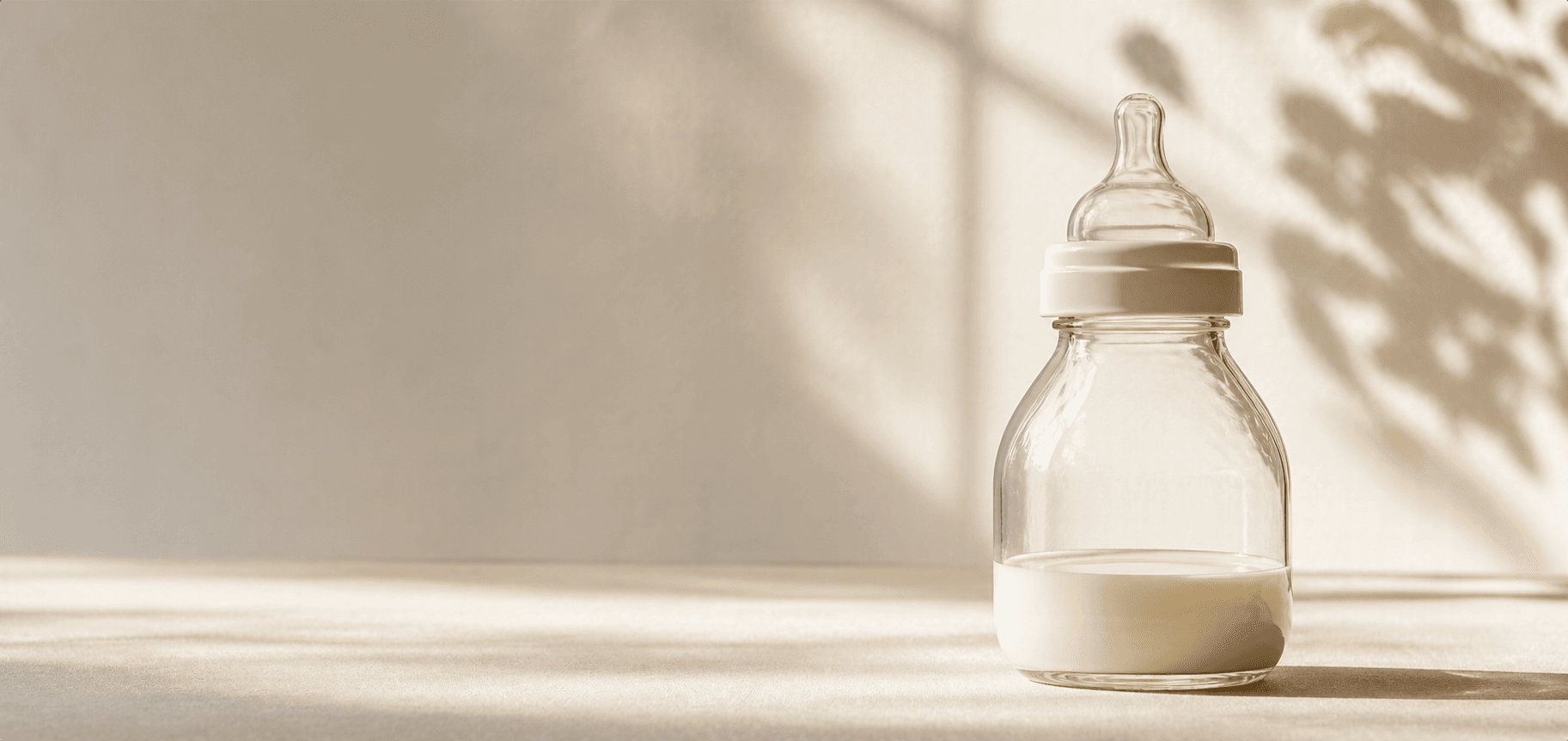
A premium editorial still life of a glass baby bottle in warm morning light.
Glass body
Still uses silicone and plastic parts
After enough warmings and washings, parents start paying attention to what keeps touching the milk.

Early feeding rhythm

8 to 12

feeds a day is a common early-weeks range, which is why repetition changes the feel of this decision.

One month of routine

240

feeds in a 30-day stretch before you even start counting warming, washing, and sterilizing.

This shortlist

5

glass bottle systems worth a serious first look once materials, latch, cleanup, and real-life handling all matter at once.

Affiliate disclosureThis page may contain affiliate links. If you buy through them, we may earn a commission at no extra cost to you. Our recommendations are written for parents first, not for brands.

Editorial noteThe goal here is fewer absolute claims and better questions. We prefer calmer context over scare tactics.

The rhythm

A bottle becomes part of the day.

At first it is just another registry choice. A few feeds later, it is in the kitchen, on the nightstand, in the diaper bag, and back in the sink. That is usually where the glass question starts.

Early feeding stretch

0

Newborn feeding can land in the 8 to 12 times a day range. Repetition is the point.

Shortlist size

0

These are the glass bottle systems we think are worth the first serious look.

Most pieces to wash

0

Across this shortlist, cleanup runs from 4 to 6 parts depending on the system.

Built-in sleeve pick

0

Only one lead pick arrives with grip-first silicone protection already in the box.

The feeding-frequency figure reflects current public-health guidance for newborn feeding cadence. Product figures are drawn from the shortlist on this page.

A quiet night-feed still life with a baby bottle on a bedside table under warm light.

Opening story

The bottle becomes part of the rhythm.

At 2:13 a.m., nobody is thinking about materials charts. They are thinking about ounces, temperature, latch, gas, sleep, and whether the bottle is ready to do this again.

why the routine matters

What changes after the same bottle has been heated, washed, and used again and again.

No one feed proves anything by itself. The point is that bottle prep is repetitive, and the research questions usually show up around heat, repeated use, and the parts that keep touching milk.

how fast it adds up

0

from cited bottle-specific research or feed-count math

A normal month gets repetitive fast.

At eight feeds a day, one bottle system can move through roughly 240 feeds in 30 days before you even count warming, washing, and sterilizing.

That is why this question usually starts in the middle of a tired week, not on the registry.

Night feed

Warming

Feeding

Washing

Sterilizing

Repeat

Research explainer

Why parents are looking past BPA-free

After enough warming, scrubbing, and sterilizing, BPA-free stops feeling like the whole answer. Parents start asking which parts get hot, which parts touch the milk, and which parts are still plastic.

Nature bottle study

Up to 0.0M

particles per liter were reported from polypropylene infant feeding bottles under WHO-style hot-prep and sterilizing steps in the 2020 Nature Food study.

2025 daily-use study

0x

higher temperatures doubled the total microplastics released from plastic feeding bottles and milk-storage bags in a 2025 Food Control study.

Estimated extra intake

Up to 0

additional microplastic particles per day were estimated in that same 2025 bottle-and-storage-bag study under typical use conditions.

21-day test window

0 days

was the repeated-use window in the 2020 Nature Food paper, which is part of why this is a routine question, not a one-feed question.

The questions parents usually end up asking next

After a while, the question stops being “Is it BPA-free?” and starts being “Which parts are still plastic, and how often do they get hot?”

MicroplasticsBPA-freeHeat and wearPFAS and coatings
01

Warm plastic

Microplastics

This is why warming milk in plastic still gives some parents pause.

For many families, the question is not one bottle. It is the same warm-plastic contact happening over and over through the day.

What researchers saw

  • In 2020, Nature Food reported that polypropylene infant feeding bottles released up to 16.2 million particles per liter under WHO-style sterilizing and hot-prep conditions.
  • In 2025, Food Control reported 1,465 to 5,893 particles per liter from several plastic feeding-bottle and storage-bag materials under daily-use conditions, with higher temperatures doubling the total microplastics released.

Why it keeps coming up

Researchers are still sorting out the health effects. What parents hear is simpler: microplastics are showing up in more places than anyone finds comforting, so cutting down on one repeated exposure point can feel worth it.

What switching to glass changes

A glass bottle body removes the main bottle wall from that exact warm-plastic question. It does not remove the nipple, ring, cap, or vent from the rest of the system.

What it still does not prove

These studies do not tell you exactly what one baby absorbs from one bottle. They do show why this stopped feeling imaginary to a lot of parents.
02

What BPA-free covers

BPA-free

BPA-free was a start, not a full materials answer.

Once BPA-based baby bottles were phased out, the next question became what replaced them and what the rest of the bottle is made of.

What researchers saw

  • FDA says BPA-based baby bottles and sippy cups are no longer authorized in the United States because manufacturers had already abandoned that use.
  • NIEHS notes that BPA exposure matters because it can act like a hormone in the body, which is why parents stayed alert to the broader bisphenol conversation even after baby bottles moved away from BPA.

Why it keeps coming up

That is why the label stopped feeling complete. It tells you one older material is gone. It does not tell you how the full feeding system handles heat, wear, and washing.

What switching to glass changes

Glass gives you one very clear answer about the bottle body itself. That is the part many parents find reassuring.

What it still does not prove

BPA-free still matters. It just is not the same thing as full materials transparency.

03

What repeated washing does

Heat and wear

Heat, scrubbing, and dish cycles keep the question going.

A lot of parents are reacting to the routine, not one ingredient name. The same bottle gets hot, scrubbed, dried, and used again and again.

What researchers saw

  • AAP advises families to avoid microwaving food in plastic and to limit dishwashing plastics when possible because heat can increase chemical migration into food.
  • A 2025 Microchemical Journal study of polypropylene infant bottles reported particle release across washing, formula prep, sterilizing, drying, and multi-cycle use, with repeated heating and longer drying increasing release further.

Why it keeps coming up

What keeps coming up here is repeated wear. A bottle is not just warmed once. It is washed, dried, sterilized, and used again, which is why durability and materials matter together.

What switching to glass changes

A glass body gives parents a simpler starting point for the part of the bottle that sees the most repeated hot contact.

What it still does not prove

It still leaves nipples, rings, vents, markings, and brand-specific coatings worth checking.

04

Where PFAS fits

PFAS and coatings

PFAS matter, but bottle marketing often flattens the story.

PFAS belong in the bigger packaging and consumer-products conversation. That does not make every bottle claim about PFAS equally useful.

What researchers saw

  • FDA says PFAS grease-proofing agents for paper food packaging were no longer being sold in the U.S. in 2024, and in January 2025 it determined 35 related food-contact notifications were no longer effective.
  • EPA continues to describe some PFAS exposures as linked to developmental, immune, liver, hormonal, and cancer risks, which is why parents hear about them far beyond bottles.

Why it keeps coming up

For parents, this usually means reading current disclosures and looking closely at coatings, markings, or extra parts instead of assuming the word glass answers everything.

What switching to glass changes

Glass can simplify one part of the bottle. It is not proof that the whole product is PFAS-free.

What it still does not prove

If PFAS is central to your decision, vague marketing language is not enough.

01 / 04

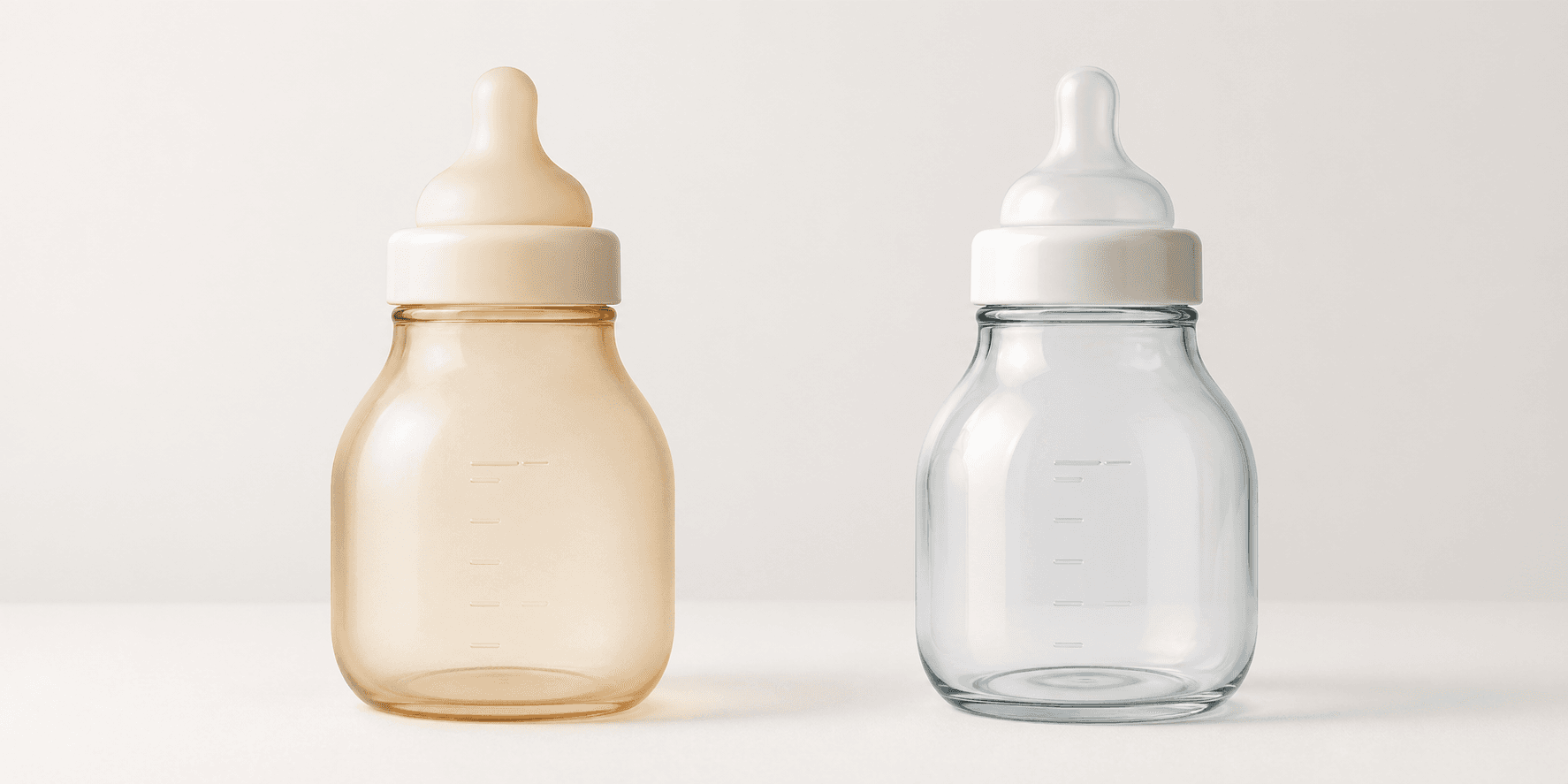
Two baby bottles shown side by side to illustrate why some parents focus on repeated warm plastic contact versus a glass bottle body.
Warm plastic bodyGlass body
The concern is repeated hot-plastic contact, not one dramatic moment.

Keep an eye on the bottle body

This is the question many parents are actually trying to reduce: how often warm milk meets plastic during prep and feeding.

In plain English

This is not about proving every plastic bottle is bad. It is about why repeated hot-plastic contact became hard for a lot of families to ignore.

the plainspoken version

The research is technical. The question at home usually sounds more like this.

what parents actually said

I personally love glass bottles. I try to reduce plastic throughout the whole kitchen though.

Parent on r/BeyondTheBump, February 2026

what parents actually said

Glass is much easier to clean/doesn’t get residue stuck to it as much, so that’s something to consider separate from the microplastics issue.

Parent on r/BeyondTheBump, February 2026

what parents actually said

I personally don’t like warming up anything in plastic due to microplastics and chemical leaching.

Parent on r/NewParents, December 2024

what parents actually said

If you send your kid to daycare, they may not allow you to send glass bottles. We use glass at home and plastic at daycare.

Parent on r/BeyondTheBump, February 2026

What touches the milk?

Look at the whole feeding system, one part at a time.

The bottle body is the big reason many parents switch. It is also only one part of what your baby actually uses.

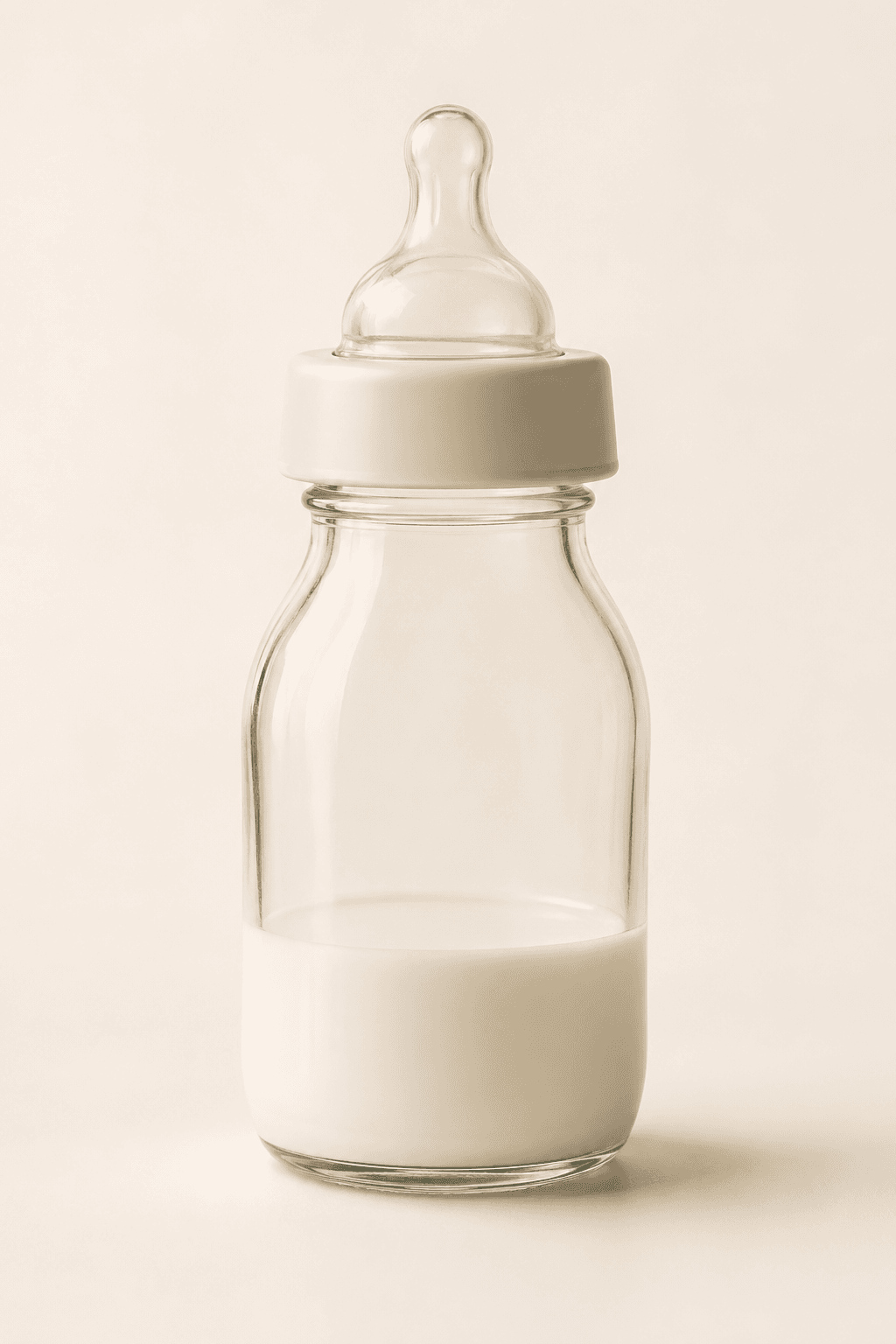
Close-up of a glass baby bottle showing the nipple, collar, and glass body.
Travel caps, storage tops, and markings still matter too. They are just easier to forget.

Current part

Glass body

When parents say they want a glass bottle, this is usually what they mean. The bottle body itself is glass, so the biggest surface touching warm milk is not plastic.

What parents usually mean by “glass”

Most parents say “glass bottle” and mean the bottle body. The nipple, ring, and vent still decide what touches milk and how much work the bottle is to live with.

01

Part 01

Glass body

This is the main reason parents choose glass.

When parents say they want a glass bottle, this is usually what they mean. The bottle body itself is glass, so the biggest surface touching warm milk is not plastic.

What to check

Check the exact glass type, the markings, and whether the brand says it can handle your normal warming and sterilizing routine.

02

Part 02

Silicone nipple

The nipple still matters because it touches every feed.

Glass bottles still rely on a silicone nipple, and nipple shape, softness, and flow rate often matter more to the baby's actual feeding success than the bottle body alone.

What to check

Check the flow size, the shape, and how often the brand says to replace it.

03

Part 03

Plastic collar

BPA-free does not mean plastic-free.

Most glass bottles still use a plastic ring or collar to secure the nipple. It may not sit inside the milk the same way the bottle body does, but it is still part of the feeding system and still worth checking.

What to check

Check what the ring is made from and whether the brand gives a full materials list for the rest of the feeding system.

04

Part 04

Vent system

Extra venting can help some babies, but it adds parts.

Anti-colic designs may use built-in nipple vents or separate inserts. That can be helpful for some babies, but it also changes how much you need to clean and how many non-glass parts are involved.

What to check

Check how many parts come apart, how easy they are to clean, and whether your baby actually needs the extra venting.

Reality check

What glass does better, and what it does not magically fix

The most trustworthy version of this story is the balanced one. Glass can simplify one part of the materials question without promising a perfect feed, a perfect latch, or a perfect baby.

What glass does better

Less plastic touching warm milk

If your main concern is reducing repeated warm plastic contact, glass changes that part of the system in a straightforward way.

Better resistance to repeated heating

You can warm and sterilize without wondering whether the bottle body itself is the part taking the most wear.

No staining or lingering smells like some plastic bottles

Milk residue is easier to spot, and the bottle usually looks and smells clean again after a hard week.

Long-term durability if handled carefully

One good set can last through a long feeding season, especially if you are not constantly swapping out cloudy bodies.

Easier visual cleanliness

Parents often like being able to see every streak, bubble, and leftover film before the next feed.

What glass does not magically fix

Nipple preference

If a baby hates the nipple shape or flow, the bottle body will not save the feed.

Flow speed

A slow, calm feed still depends on the nipple and the baby's pace, not the bottle body alone.

Gas or reflux by itself

Some babies do better with venting systems. Others do fine with simpler bottles. Glass is not an anti-colic feature by itself.

Breakage risk

Glass is sturdier than people sometimes assume, but tired hands, tile floors, and daycare bags are still real life.

Plastic parts in collars, caps, vents, or sleeves

A glass bottle can still include several non-glass pieces, so it helps to read the whole materials list.

Exterior paint or coating concerns

Measurement markings, inks, and decorative coatings deserve the same attention as the bottle body.

How we chose

We screened for bottles that make sense in the middle of real feeding life.

Not the most dramatic marketing. Not the most niche design flex. Just the bottles that seem most livable once the sink, the bag, the latch, and the exhaustion all show up at once.

Priority 01

Cleaner materials

The bottle body matters most here, but only if the rest of the system is transparent too.

Borosilicate or tempered glassClear manufacturer materials disclosuresReadable markings and exterior finish

Priority 02

Calmer feeding

A glass bottle still has to work at the mouth. Flow, latch, and venting are still part of the decision.

Nipple feel and flow optionsVenting and gas supportWide or narrow profile depending on the baby

Priority 03

Faster cleanup

The bottle that feels best on paper often loses in the sink if it is fussy to pull apart and rinse.

Logical assemblyFewer hidden creasesParts that make sense half-awake

Priority 04

Real-life durability

Weight, sleeves, replacement parts, and daycare practicality all matter once the bottle leaves the kitchen.

Grip and sleeve protectionReplacement nipples and accessoriesPrice and availability for multiples

the calmer checklist

What we prioritized

The details that still matter on day thirty.

We wanted one clear read on materials, one clear read on feeding behavior, and one clear read on whether the bottle would stay livable once heat, sink time, and replacement parts entered the picture.

Also checked 01

Number of parts

Also checked 02

Daycare practicality

Also checked 03

Measurement markings

Also checked 04

Brand transparency

Also checked 05

Price and availability

The shortlist

Start with the bottle that fits the problem you actually have.

This should narrow the field fast. Start with the frustration that sounds familiar, then use the table if you want the whole field at a glance.

Chapter 01Best overall

Philips Avent Natural Response Glass Baby Bottle

Best overall glass baby bottle for most families

Philips Avent is the easy recommendation for parents who want glass without making feeding more complicated. The borosilicate glass body feels reassuring, the wide shape is easy to clean, and the Natural Response nipple is designed so milk flows when baby actively drinks. It is widely available, simple to replace, and less niche than many glass options.

Body material

Borosilicate glass

Parts to clean

4 parts

Venting

No separate vent insert

Best for

Parents who want a mainstream, easy-to-find glass bottleCombo feedingFamilies who want fewer partsParents who want a wide-neck bottle

Watch-outs

  • Some babies may need time to adjust to Natural Response nipples
  • It still uses non-glass parts
  • It is heavier than plastic
Approved image comingBest overall

Original product photography or a custom still life belongs here once we have approved assets.

Philips Avent

Until then, we would rather leave the space clean than fake a product shot.

Borosilicate glass4 partsNo sleeve

Bottom line

If you want a familiar system you can replace almost anywhere, this is the easiest glass place to start.

Biggest strength

Familiar system with broad availability

Main tradeoff

Nipple learning curve for some babies

Nipple style

Wide silicone nipple with pace-based flow

Sink reality

4 parts, with no separate vent insert.

Compare bottles

See the field side by side before you click through.

On desktop, this stays a full table. On mobile, it turns into a swipeable deck. Use it to check body material, venting complexity, parts to clean, and the main tradeoff.

Philips Avent

Best overall glass baby bottle for most families

Jump
Body material
Borosilicate glass
Nipple style
Wide silicone nipple with pace-based flow
Venting
No separate vent insert
Parts to clean
4 parts
Sleeve
No sleeve included
Biggest strength
Familiar system with broad availability
Main tradeoff
Nipple learning curve for some babies

Evenflo Balance+

Best glass bottle for a wide latch

Jump
Body material
Thermal-shock-resistant glass
Nipple style
Wide, naturally sloped silicone nipple
Venting
Integrated 1-piece vent
Parts to clean
4 parts
Sleeve
No sleeve included
Biggest strength
Latch-friendly nipple shape
Main tradeoff
Less mainstream availability than Avent

Lifefactory

Best glass bottle for grip and everyday handling

Jump
Body material
Borosilicate glass
Nipple style
Wide silicone nipple
Venting
Simple stopper and nipple setup
Parts to clean
4 to 5 parts
Sleeve
Protective silicone sleeve included
Biggest strength
Best grip and day-to-day handling
Main tradeoff
Bulkier profile

Dr. Brown's Glass

Best for parents who want serious venting support

Jump
Body material
Glass bottle body
Nipple style
Narrow or wide silicone nipple depending on system
Venting
Full internal vent system
Parts to clean
5 to 6 parts
Sleeve
Optional sleeve
Biggest strength
Strong anti-colic ecosystem
Main tradeoff
Most cleanup

Evenflo Classic

Best simple glass bottle if you want fewer features and a lower price

Jump
Body material
Glass bottle body
Nipple style
Classic slow-flow silicone nipple
Venting
Simple integrated venting
Parts to clean
4 parts
Sleeve
No sleeve included
Biggest strength
Straightforward and lower cost
Main tradeoff
Fewer premium feeding refinements

Hidden details

The parts parents forget to check are often the parts doing the work.

Measurement markings. Exterior decoration. Vent inserts. Sterilizer guidance. The safest-feeling bottle is not always the one with the prettiest label.

Close-up view of a glass baby bottle for the hidden details checklist section.

look past the pretty label

The bottle body gets most of the attention. These are the quieter details that still matter once the bottle has been heated, scrubbed, and packed over and over again.

Check 01

Measurement markings

Look for markings that stay readable and are easy to verify at 3 a.m.

Check 02

Paint and exterior decoration

Decorative inks, wraps, or coatings deserve the same scrutiny as the bottle itself.

Check 03

Plastic collars

The ring that holds the nipple in place is still part of the material story.

Check 04

Silicone nipples

Shape, venting, flow, and replacement schedule often drive day-to-day success.

Check 05

Vent inserts

Anti-colic parts can help certain babies, but they increase cleaning and inspection work.

Check 06

Dishwasher and sterilizer guidance

Not every part should be treated the same way, even when the bottle body looks sturdy.

Bottle finder

You do not need a forever bottle. You need a good place to start.

Use the picker if you want a calmer starting point instead of opening twelve tabs and hoping a stranger in the comments sounds confident.

three quick questions

Bottle finder

Find the first bottle worth trying.

This is not trying to crown one perfect bottle for every family. It is just trying to narrow the first one you try.

Progress

0 of 3 answered

Start with the problem you are actually trying to solve.

Question 1 of 3

What matters most right now?

Live ranking

Answer one question and this board starts moving.

This is where the finder turns your priorities into a calmer first pick instead of a dozen open tabs.

  1. 01

    Philips Avent

    Best overall glass baby bottle for most families

  2. 02

    Evenflo Balance+

    Best glass bottle for a wide latch

  3. 03

    Lifefactory

    Best glass bottle for grip and everyday handling

  4. 04

    Dr. Brown's Glass

    Best for parents who want serious venting support

  5. 05

    Evenflo Classic

    Best simple glass bottle if you want fewer features and a lower price

This ranking board updates after every answer so the recommendation feels earned, not arbitrary.

Compare bottles

Care

How to use glass bottles without making life harder

Caring for a glass bottle should feel steady, not precious. The goal is routine, not ceremony.

01

Inspect

Check for chips or cracks before the next feed.

02

Warm

Avoid sudden temperature swings unless the brand says it can handle them.

03

Feed

Watch nipple flow and how the bottle feels in tired hands.

04

Wash

Separate the parts that need a closer rinse.

05

Dry

Let the system dry thoroughly before storing it.

06

Repeat

Replace nipples and retire damaged parts.

Guidance 01

Inspect bottles for chips or cracks.

Guidance 02

Avoid sudden extreme temperature changes unless the manufacturer says the bottle can handle it.

Guidance 03

Use protective sleeves when helpful.

Guidance 04

Follow the brand's sterilizing and dishwasher instructions.

Guidance 05

Replace nipples regularly.

Guidance 06

Check flow size as your baby grows.

Guidance 07

Do not use a damaged bottle.

Guidance 08

Confirm daycare rules before sending glass bottles.

FAQ

Questions parents ask before they switch

Clear answers matter more than dramatic answers, especially when you are already tired.

Sources note

How this guide was grounded

This page is meant to feel editorial without getting loose with the facts. We checked current brand language and broader safety context, but parents should still verify the latest details before buying.

Research context for the materials chapter was built from the 2020 Nature Food infant-feeding-bottle paper, 2025 Food Control bottle and milk-storage-bag study, 2025 Microchemical Journal infant-bottle wear study, NIH and NIEHS context on microplastics and BPA, FDA and EPA PFAS updates, and American Academy of Pediatrics guidance on food-contact chemicals.

Manufacturer product pages and care guidance were used to confirm current bottle materials, vent designs, and accessory details.

Short pull quotes were selected from public parenting forum discussions from 2024 to 2026 to reflect lived concerns around warm plastic, cleanup, and day-to-day handling. They are perspective, not medical advice.

Before buying, parents should still confirm current materials, recalls, compatibility, and pediatric guidance because product details can change.

A glass baby bottle drying beside a folded burp cloth on a kitchen counter at sunrise.

one good place to start

Final note

You do not need the perfect bottle.
You need the first good one.

Feeding a baby already asks enough of you. The goal is not to get every material decision perfect. It is to choose something that feels clear enough, works for your baby, and holds up in real life.

For many parents, glass is that choice. Not because it makes every worry disappear. Because it removes one big question from the middle of a very tired, very tender season.