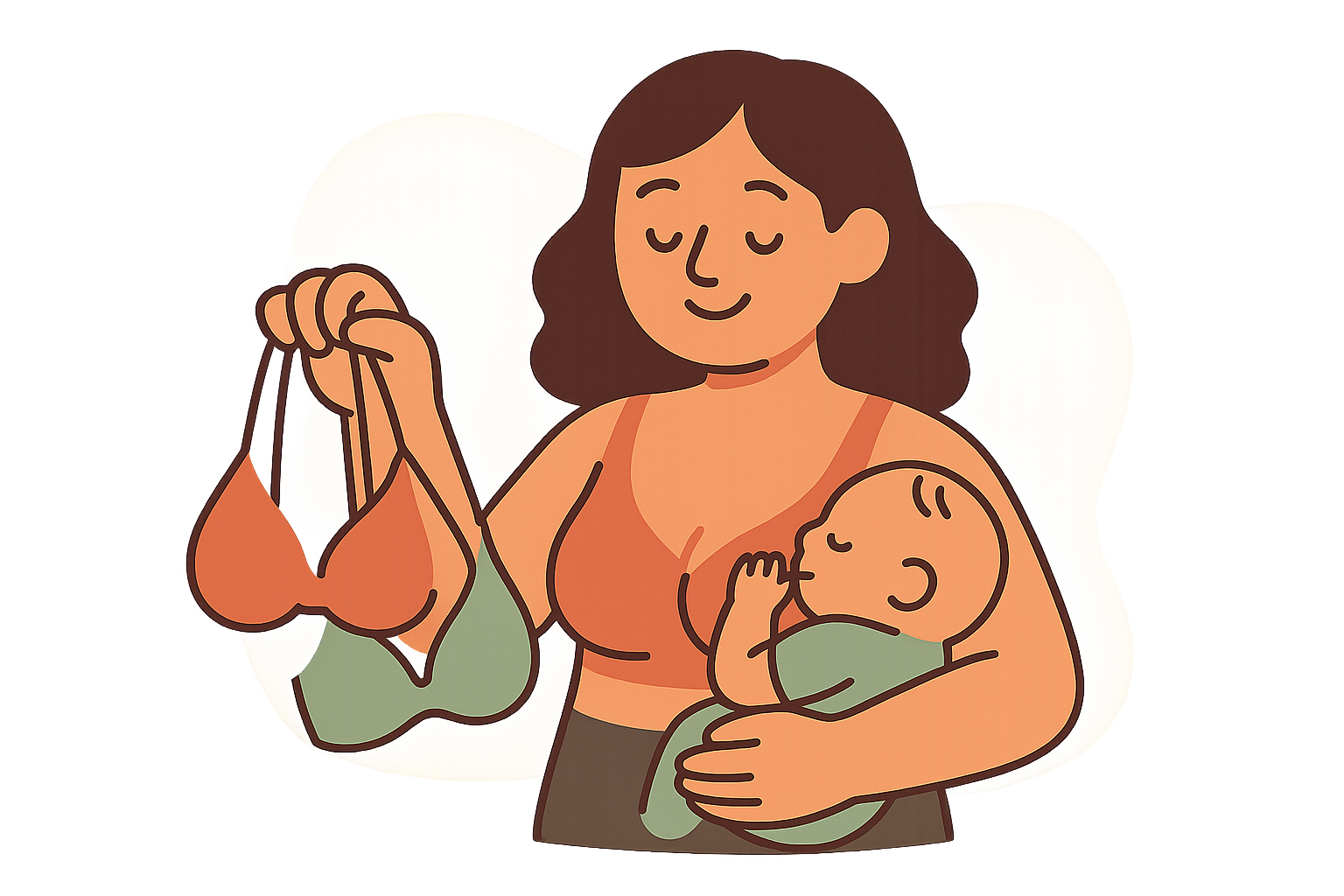

Here’s the truth about bras in parent life. The right one becomes invisible. The wrong one steals your patience at 2 a.m.
If you’re pregnant, nursing, pumping, or just want something soft that actually fits, you’re in the right place. We looked for comfort you can forget about, smart nursing access, and materials that touch skin all day without drama.
This guide focuses on reputable bra brands you can buy in the U.S. We highlight everyday comfort, maternity and nursing picks, and materials-conscious options for sensitive skin. You’ll see what matters, what to skip, and a few easy steps to get a better fit the first time.
Good news. You do not need a drawer full of bras. You need one or two that fit now, one that flexes with body changes, and a plan for washing that keeps them soft.
Before you dive in, do this first: grab a soft tape measure and note your snug underbust and your fullest bust over a thin tee. Write both down. That five-minute step saves returns.
What this guide covers and who it’s for
U.S.-available brands, easy to buy and return
We only include brands with wide U.S. shipping and straightforward returns. Because no one has time for tricky international exchanges with a newborn. If a label is niche, we flag shipping notes and fit quirks so you can order with fewer surprises.
For pregnancy, postpartum, nursing, and everyday comfort
Bodies change. Ribs expand. Cups fluctuate. We focused on flexible bands, forgiving cups, and styles that work for pregnancy, nursing, pumping, and the slow shift back to your baseline. Even if you’re not feeding, you’ll find wire-free, soft options for all-day wear.
Materials-conscious without the panic
If you have sensitive skin or just prefer low-chemical fabrics, we call out organic cotton, bamboo-viscose, and OEKO-TEX certifications. Quick decoder: OEKO-TEX means the finished textile was tested for harmful substances. GOTS signals certified organic fiber and vetted processing. We also note when brands state they avoid PFAS in finishes. No scare tactics. Just clear info so you can choose.
How we picked: the criteria that actually matter
Comfort and fit that move with you
We prioritized soft bands that do not dig, wide straps that do not slip, and cups with enough depth for full busts. Wire-free styles that still lift. Underwire options that sit on the ribcage, not breast tissue. We looked for flexible sizing or stretch fabric that can handle daily fluctuations without leaving marks.
Action step: when you try on, fasten on the loosest hook. You should fit two fingers under the band. If you cannot, size up in the band. If the band rides up, size down.
Nursing and pumping features that work at 3 a.m.
We favored one-hand nursing clips, drop-down cups with full access, inner slings that guide latch, and openings that work with wearable pumps. Seams matter near the nipple. So does cup recovery after frequent feeds. We also looked for pumping-friendly layers that do not require changing bras mid-day.
Limitations to know: some wearable pumps need more structure. Very soft lounge bras may not hold them steady for a full session. If a pump leaks, it is usually a seal or sizing issue, not the bra alone.
Materials, testing, and skin feel
We gave extra points to GOTS-certified organic cotton and OEKO-TEX Standard 100 fabrics. We looked for brands that say no to added antimicrobial treatments and avoid fabric finishes that can irritate. We also checked dye feel and tag placement because sharp tags and stiff seams can cause hot spots on tender skin.
Reality check: skin reactions are personal. A fabric that is fine for one person can bother another. Always wash before first wear with a gentle detergent. If you have eczema or dermatitis, patch test a seam line for an hour at home.
Size range, inclusivity, and fit support
Bodies are not one-size-fits-most. We prioritized extended band and cup ranges, inclusive fits for petites and full busts, and clear size charts. Brands that offer virtual fit help or live chat got extra credit. Consistent grading across sizes is rare, so we flag when a brand runs snug or generous.
Edge case: if you are between sizes late in pregnancy or early postpartum, consider ordering two band sizes to compare at home. Keep the one that stays level across your back.
Build quality, wash care, and durability
We checked stitch density, strap hardware, and how cups hold shape after washing. Machine-washable is ideal. We note when air-dry is required and when color transfer can happen. The easier it is to care for, the more you will actually wear it.
Policies that reduce stress
Clear returns and long try-on windows matter. So does customer support when a clasp breaks. We prioritized brands with simple returns and responsive service.
Quick Comparison
Little tools that make bra shopping and wearing easier
Best Overall Comfort

Ultra-soft, super-stretchy comfort with gentle support—no wires or padding. Deep V for low-cut looks, adjustable straps, easy pull-on. Like a looser fit? Size up.
$19.99 on Amazon
Price and availability are accurate as of 04/25/2026 09:18 pm GMT and are subject to change.
A soft measuring tape is the quickest way to stop guessing your size. Wrap one around your ribcage and bust before you order, and you’ll return less. If you don’t have one in the house, grab a simple, flexible option like INLYRIC Inbarely Triangle Bralette – Seamless, unlined, no underwire (Hazelnut, Medium) and keep it in your nightstand for pregnancy and postpartum size changes.
Best for Nursing & Pumping
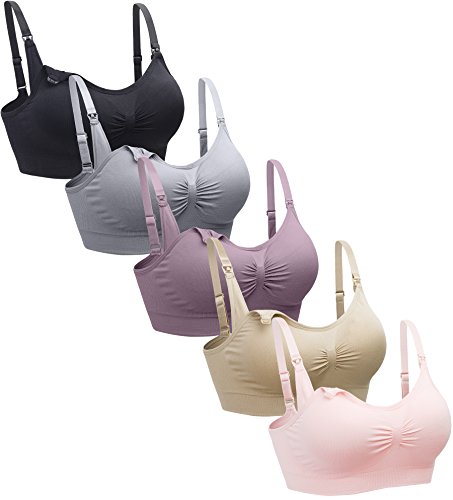
Comfy, wire-free support with one-hand nursing clips, breathable fabric, removable pads, and fit-extenders for your changing body. See sizes and colors.
$23.99 on Amazon
Price and availability are accurate as of 04/25/2026 06:17 am GMT and are subject to change.
Bra extenders buy you comfort when your ribcage expands in late pregnancy or at 4 a.m. after a cluster feed. They clip onto your existing band and add an inch or three so you can keep wearing the bras you already own while your size settles. A basic multi‑pack like Suekaphin 5-Pack Wireless Nursing Bras for Sleep & Breastfeeding, Large (Black/Nude/Purplebean/Soft Pink/Gray) is usually all you need.
Best Low-Toxin Materials

Made for petite AAA–B cups, this no‑gap, wireless bralette has 3mm cups and a cool Pima/modal blend for smooth lift. Convertible straps, deep‑V friendly. Peek inside?
$35.98 on Amazon
Price and availability are accurate as of 04/25/2026 03:18 pm GMT and are subject to change.
A mesh laundry bag protects delicate cups, clips, and lace from the washer’s spin cycle. Toss in your bras, hook them closed, and wash on cold to make them last longer. If you air‑dry on a towel, even better. A simple zip bag such as Zoe Jacobs Organic Cotton Wirefree Triangle Bralette, Nude (36B) keeps straps from tangling with baby clothes.
FAQ
Buying decisions
- Do I really need a nursing bra, and when should I buy one?
If you plan to breastfeed or pump, yes. The easy clips and stretchy cups make those 2 a.m. feeds less chaotic. Grab one in late second or third trimester for comfort, then reassess size 2–3 weeks after birth when things settle. Most parents do well with 2–3 everyday bras plus one sleep/pumping option.
- Is underwire okay while breastfeeding?
It can be, if it fits well. Problems come from pressure spots and too‑tight bands, not the wire itself. Choose a flexible wire or a soft but supportive wireless style, and avoid snug bras during engorgement or sleep. If you feel sore spots or see red marks, switch styles and check fit.
Sizing & fit
- How do I measure at home for bra size?
Measure snug under your bust in inches for band size. Then measure around the fullest part of your bust. Subtract band from bust; each inch is one cup size (1=A, 2=B, 3=C, etc.). Use this as a starting point, then try on. Check: band level and firm, straps adjusted without digging, center front sitting close, no spillover or gaping. For early postpartum, you may need 1–2 cup sizes up and a stretchier band.
Materials & care
- Are organic or OEKO-TEX bras worth it, and how should I wash them?
If you have sensitive skin or care about lower‑chemical textiles, yes. OEKO‑TEX means the fabric was tested for harmful substances. GOTS means organic cotton from farm to factory. Most comfy bras still include some elastane for stretch. Wash cold with a mild detergent, skip fabric softener, use a lingerie bag, and line dry. A pre‑wash can help rinse off residual finishes.
If you remember one thing, make it this. Comfort and fit beat everything. The right bra is the one you forget about while you live your day.
Second thing. Your size will likely change with pregnancy, early feeding, and sleep. Plan for flex. Stretchy bands, smooth cups, and easy nursing access will make life simpler.
And if you care about materials, you have options. Look for clear labels like organic cotton, OEKO-TEX, or PFAS-free claims. Then pick the style that fits your body and routine.
How to pick fast and feel good about it
Here is a quick action plan you can do this week:
- Measure today, try on tomorrow. Underbust snug, full bust at the fullest point. Use both numbers to find your starting size.
- Choose two categories to test. One everyday wireless. One nursing or pumping friendly. Add a sport or sleep bra if you move a lot or leak at night.
- Order two band sizes and two cup sizes around your best guess. Fit varies by brand.
- Try on at day’s end and before a feed. Move, lift arms, bend, and scoop breasts into the cups.
- Keep what feels good for two hours at home. Return the rest. No guilt.
- Wash gently in a mesh bag. Air dry. Your bras will last longer and feel softer.
Pregnant or newly postpartum
Your ribcage expands, then shifts back. Go for wire-free stretch styles with wide bands and adjustable straps. If you plan to pump, look for drop-cup nursing bras that also secure flanges or pair a nursing bra with a separate hands-free pumping band. Buy a couple now, then reassess size at three to six weeks postpartum when supply and swelling settle a bit.
Edge case: If you have clogged ducts or mastitis, skip underwire until you heal. If any bra leaves red marks or hot spots, stop wearing it and get fit help from a lactation consultant or a trained fitter.
Full bust or wired support
You can absolutely wear underwire while nursing if it fits correctly. The wire should sit behind breast tissue, not on it. Try side-support panels, three-hook bands, and wider straps to spread weight. If your shoulders ache, try a snugger band and larger cup, not tighter straps.
Edge case: If you have implants or recent breast surgery, get a professional fitting. Follow your surgeon’s guidance on compression and underwire timing.
Materials-first shoppers
Want the lowest-chemical route. Look for GOTS-certified organic cotton where possible. OEKO-TEX Standard 100 on synthetics means tested for a long list of harmful substances. If you are avoiding PFAS, check brand statements for water and stain resistance claims. Many cozy bras skip those finishes already. Sensitive skin. Avoid latex and nickel hardware. Seek tagless designs and soft seams. Wash before first wear to remove manufacturing residues.
Trust, links, and our process
How affiliate links work
Some of our shop links are affiliate links. If you buy through them, we may earn a small commission at no extra cost to you. It helps us spend hours measuring bands, reading materials claims, and talking to fitters. We only recommend brands we would wear ourselves and suggest to a friend.
Our research and testing
We focus on U.S. availability and returns you can actually use. We prioritize comfort, size range, nursing access, and clear materials info. We read labels, check for third-party standards like OEKO-TEX and GOTS, and spot-check brand statements about PFAS. We also listen to parents and lactation consultants about what holds up at 2 a.m.
If a claim is vague, we say so. If a style is comfy but not ideal for pumping, we call that out. Real life beats perfect specs.
Availability and updates
Brands change fabrics, remove colors, or tweak fit. We revisit this guide and refresh picks as sizing or materials shift. If you hit a dead link or a style goes missing, check the same brand’s closest alternative or their outlet section. And if you live outside the continental U.S., confirm shipping policies and return windows before you order.
Bottom line. Pick comfort first, plan for body changes, and buy from places with easy returns. Two or three well-fitting bras will serve you better than a drawer of maybes.


Leave a Comment