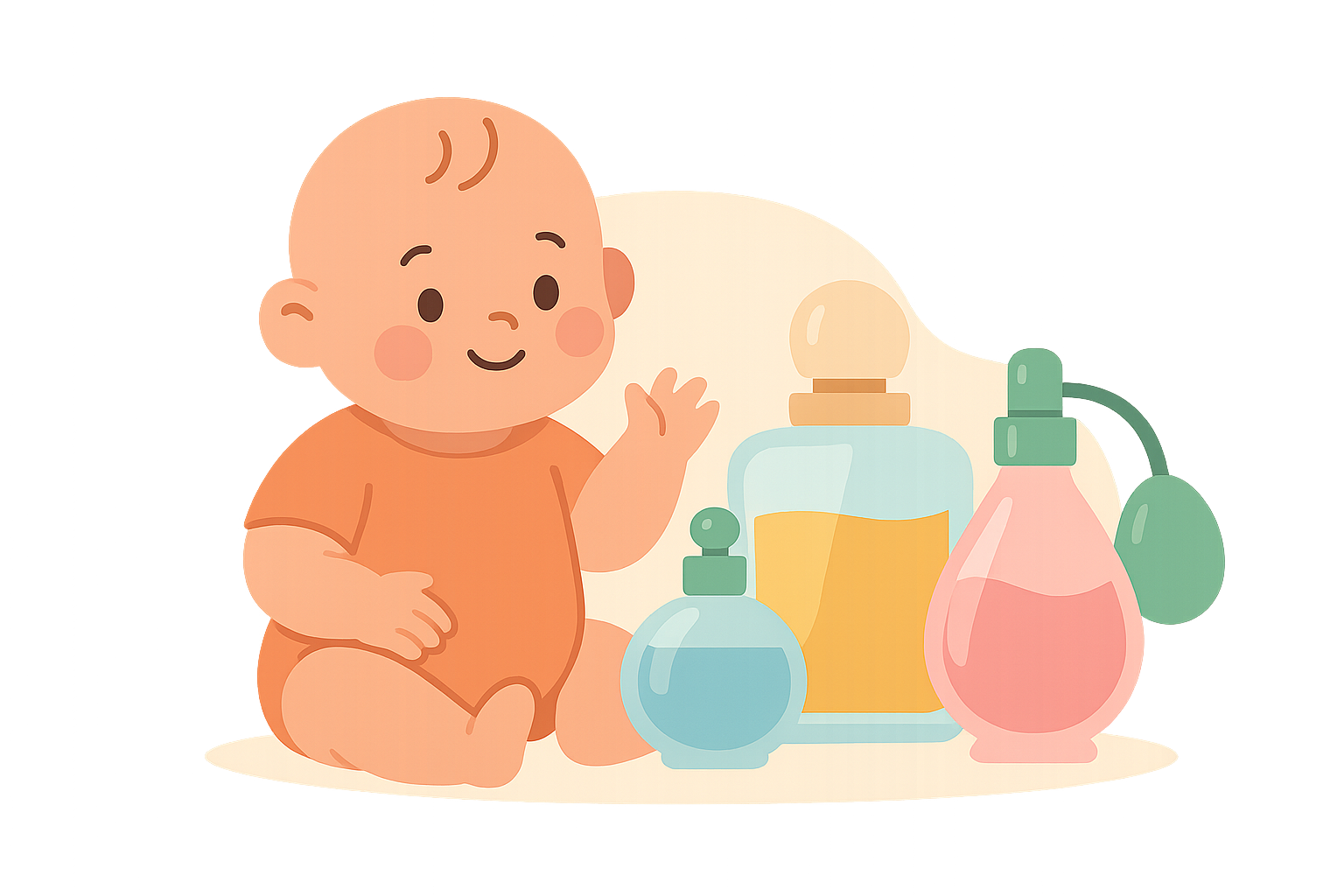

If you’re here because you love that clean baby smell but also worry about ingredients, same. Baby skin is thin and picky. Fragrance is optional, and for some families it is a hard no. For others, a light, safe spritz on clothes feels special for photos, visitors, or bedtime routines.
This guide is for parents who want a gentle baby perfume or baby cologne that keeps safety in front. We focused on soft, short-lived scents you can apply to clothing or a hairbrush instead of bare skin. Nothing loud. Nothing that lingers for hours.
Quick reality check. Most pediatricians suggest skipping fragrance on newborn skin, especially in the first few months and for babies with eczema. If you use scent, keep it off skin, away from hands and faces, and do a patch test first. You are not a bad parent if you skip fragrance completely.
How to use this guide. Start with safety notes below. Then scan our criteria so you know what actually matters. Our top picks balance gentle formulas, clear labeling, and quiet scents that fade. We call out who each is best for. We also include where to spray and when to wait.
Quick Comparison


Do this first. Spray the perfume once on your own shirt, wear it for a day around your baby, and see how everyone feels. If all is calm, try one spritz on the outside of your baby’s clothing, never on skin, and watch for any redness or sniffles for 24 hours.
How we chose these baby perfumes (our safety-first criteria)
Ingredient transparency and safety standards
- We favored brands that publish full ingredient lists, not just “fragrance.”
- We prioritized formulas labeled alcohol-free or low-alcohol and compliant with IFRA guidelines. That is the global fragrance safety framework.
- We looked for phthalate-free and paraben-free claims with supporting info.
- We were cautious with essential oils. Natural does not always mean gentler on baby skin.
Scent strength and wear time
- Baby fragrances should be light, a soft halo you notice up close only.
- We leaned toward powdery, clean, or soft floral notes with low projection.
- Longevity that fades within a few hours is a plus. If it fills a room, it is a no from us.
Hypoallergenic testing and skin sensitivities
- Preference for products tested under pediatric or dermatology supervision.
- We noted whether a formula is alcohol-free, which is often gentler for dry or sensitive skin, though you should still spray on clothing.
- Even hypoallergenic products can cause reactions. Patch tests matter.
Real-world use and parent sanity
- Sprays that work on clothing, stroller blankets, or a hairbrush got points.
- Secure caps and leak-resistant bottles for diaper bags are helpful.
- Simple instructions and clear age guidance reduce guesswork.
Availability and value
- We chose picks that are easy to find from reputable retailers.
- Sizes that make sense for occasional use. No giant bottles you will never finish.
Limitations to know:
- Fragrance disclosure laws allow “fragrance” as a blend. We favored brands that go beyond the minimum, but full disclosure is still rare.
- Even gentle scents can bother babies with eczema or reactive airways. If in doubt, skip it and ask your pediatrician.
Safety snapshot we apply to every pick
- Age guidance noted at a glance.
- Where to apply: clothing only, not skin.
- What it avoids: phthalates, parabens, common allergen notes if disclosed.
- Strength check: soft, close-to-skin scent with quick fade.
Quick comparison specs at a glance
This snapshot helps you scan the field fast. You will see scent type, bottle size, typical strength, whether a brand calls out hypoallergenic testing, and if it states no synthetic phthalates or parabens. Use it to shortlist two or three options, then read the detailed notes for application tips and age guidance.
How to read the specs
- Scent type: powdery, fresh, soft floral, or citrus. Powdery and fresh tend to read gentler on baby clothing.
- Strength: very light or light is our target. Medium is often too much for tiny noses.
- Hypoallergenic: look for “dermatologically tested” or “pediatric tested,” but still patch test.
- No synthetic phthalates or parabens: good sign, but still check the full ingredient list.
Who might skip fragrance entirely
- Newborns under three months.
- Babies with active eczema, open rashes, or frequent wheezing.
- Households where a caregiver is sensitive to scents.
Quick patch test guide
- Day 1: one spritz on your own shirt. Wear around baby.
- Day 2: one spritz on the outside of baby’s clothing, not on skin. Avoid hands and face.
- Watch for redness, sneezing, or fussiness. If anything seems off, stop and reassess.
1. JAFRA Tender Moments Playdate Baby Cologne (Pack of 1)
Best Editor's Choice
A light, powdery baby cologne with cozy fresh-from-bath vibes and a nostalgic touch. Want gentle, airy notes? Compare options and find your favorite.
$16.99 on Amazon
Price and availability are accurate as of 04/25/2026 12:56 pm GMT and are subject to change.
Best for parents who want that nostalgic baby-powder whisper without a heavy cloud. If your goal is cozy, cuddly, and clean, this one nails the fresh-from-bath vibe. It’s easy to wear on clothing, works for daycare drop-off, and won’t announce itself across the room.
We picked it because the profile is classic and soft. It smells like warm towels and talc-adjacent comfort, not perfume-counter floral. In testing, it felt airy and kind to close quarters, which is key when you’re holding a baby all day. If you’re hunting for a true baby-cologne starting point, this is a solid first stop JAFRA Tender Moments Playdate Baby Cologne (Pack of 1).
Trade-offs: it’s still a fragrance. If your baby has very reactive skin or you’re scent-averse, skip it or keep it off skin. The powdery vibe leans traditional, and the lightness means you may reapply on a blanket or your shirt if you want it to last through an outing.
Practical tip: avoid spraying on baby’s face, hands, or direct skin. Mist once on your shirt, the hem of a swaddle, or the stroller blanket, then let it dry before cuddles. Patch test on fabric first to be sure the scent sits well with your household.
2. Natura Mamãe e Bebê Mom & Baby Cologne – Gentle, Alcohol‑Free (3.4 fl oz)
Best Natural/Organic-Leaning
Whisper-light, alcohol‑free baby cologne with a soft, cozy scent. Gentle on delicate skin, vegan and cruelty‑free—sweet for daily snuggles or a thoughtful gift.
$25.99 on Amazon
Price and availability are accurate as of 04/25/2026 06:57 am GMT and are subject to change.
Best for parents who want a whisper-light cologne without alcohol. If you’re scent-cautious but still want that just-bathed baby vibe, this is a gentle, vegan, cruelty-free pick that feels thoughtful for daily snuggles or gifting. It also works nicely as a shared scent for you and baby, which can simplify the morning rush.
We picked it because the alcohol-free base avoids the sting and dryness you get with traditional colognes. The scent itself is soft and cozy, more like clean skin than perfume. It sits close, which is what we want around tiny noses. If you’re curious about stock or sizing, check availability at Natura Mamãe e Bebê Mom & Baby Cologne – Gentle, Alcohol‑Free (3.4 fl oz).
Trade-offs to know: it’s subtle and fades faster than stronger fragrances. That’s a plus around babies, but you may want a small refresh before an outing. It’s still a fragrance, so skip newborn skin, patch test on older babies, and use sparingly.
Practical tip: mist a little on a caregiver’s clothing or on a blanket, not directly on baby’s face or hands. For photo days or visits, a single spritz is plenty. The 3.4 fl oz bottle is also travel-easy, so it slips into a diaper bag without drama.
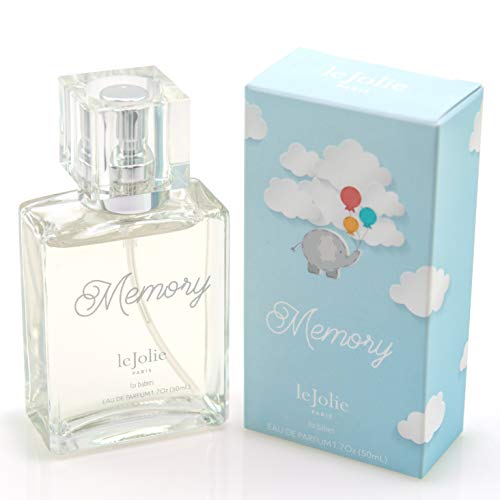
3. Baby Jolie Memory Alcohol-Free Baby Cologne, 1.7 oz (50 ml)
Best Classic French Scent
Soft, powdery baby scent that’s gentle on sensitive skin and lasts through cuddles and play. Dermatologist-tested and gift-ready—tap to see why parents love it.
$39.99 on Amazon
Price and availability are accurate as of 04/24/2026 09:56 pm GMT and are subject to change.
If you love that timeless baby-powder vibe but want something gentle, this alcohol-free cologne is a sweet spot. It’s soft, comforting, and close-wearing, so your baby smells clean and cozy without a cloud of scent. You can check current availability Baby Jolie Memory Alcohol-Free Baby Cologne, 1.7 oz (50 ml).
We picked it because the formula is alcohol-free and dermatologist-tested, which gives us a little extra confidence when choosing a baby fragrance. The scent itself leans powdery and soothing, which many parents reach for during sleepy snuggles or fresh-out-of-the-bath moments.
The trade-off is strength. It’s intentionally subtle. If you want a brighter, longer-lasting citrus, this won’t scratch that itch. It’s also a smaller 1.7 oz bottle, which is great for travel, but frequent spritzers will go through it faster.
Practical tip: spritz once on clothing, a blanket, or the ends of your own sleeve instead of directly on baby’s skin. Keep it away from face and hands, and always do a quick patch test on fabric first to make sure the scent and dye won’t mark or irritate.FAQ
Safety and age
Q: Is perfume safe for newborns?
A: For newborns, skip fragrance. Their skin barrier is still developing and they breathe close to your chest. If you want a soft scent, spritz your own clothes or a blanket, not baby’s skin. Most pediatricians are comfortable starting a very light, hypoallergenic baby fragrance around 6 months, and later if there’s eczema or a history of allergies. When in doubt, ask your pediatrician.
Q: Which ingredients should I avoid in a baby fragrance?
A: Look for phthalate-free fragrance, and skip common irritants. Aim for formulas without methylisothiazolinone or methylchloroisothiazolinone, formaldehyde releasers (like DMDM hydantoin or quaternium-15), and heavy essential oils on infant skin. Many parents also choose paraben-free. Favor IFRA-compliant, hypoallergenic-tested scents and brands that list potential fragrance allergens.
How to use
Q: How do I patch test and apply safely?
A: Keep it simple and minimal.
- Patch test: dab a tiny amount on your child’s inner forearm or behind the knee. Wait 24 hours. If there’s redness or itching, stop.
- Apply to clothing, not skin: 1 light spray on the back of a shirt or a brush you run through hair. Avoid face, hands, and diaper area.
- Use sparingly: one spray is enough. Not daily if skin is dry or reactive.
- Skip on rashy days, after vaccines, or during illness.
Shopping and labels
Q: Do alcohol-free baby colognes last longer, and are they better?
A: Alcohol-free mists are gentler and less drying, which is great for tiny cheeks. They also wear closer to the skin and fade faster. That’s actually a plus for babies. Expect a soft, short-lived scent, and reapply only if needed.
If you want a soft baby scent, you can have it without turning diaper changes into a cloud of mystery chemicals. The safest path is simple: avoid newborn skin, choose gentle formulas, and go light. Your baby already smells perfect. A baby perfume should sit in the background, not compete.
What actually matters is ingredients, age fit, and how you apply it. Look for clear labels, phthalate-free fragrances, and products made for babies or sensitive skin. Then keep it off the face, hands, and any irritated spots. A tiny spritz on clothing is plenty.
If your little one has eczema, asthma in the family, or you’re in a fragrance-free daycare, you might skip scent altogether. There are lovely unscented lotions that feel like a cuddle in a bottle. And that is always a good choice.
How to choose your baby’s scent the simple way
Start with skin and age
- Under 6 months: skip direct skin contact. If you use anything, spray a tiny mist on a caregiver’s clothing or on the outside of a swaddle, away from baby’s face.
- 6 to 12 months: still avoid hands and face. Prefer alcohol-free or lightly scented waters. Patch test on a small area of clothing that touches the skin, like the hem of a onesie.
- Toddlers: you have more options, but stick with low-alcohol or scented waters labeled for babies or sensitive skin.
Decide on scent strength and style
- Very light and airy fragrances are easiest to live with. Think clean, powdery, soft citrus, or gentle floral.
- If you or your caregiver have scent sensitivity, choose alcohol-free or scented water formats. They smell closer to skin and fade faster.
Ingredients that get a yes or a no
- Yes: phthalate-free fragrance, hypoallergenic testing, IFRA-compliant formulas, short ingredient lists, dermatologist or pediatrician reviewed.
- Maybe: plant oils and hydrosols. Great for many, but patch test if your baby has eczema or food allergies.
- No for now: heavy essential oil blends, obvious allergens if your child reacts to them, strong long-lasting eau de parfum formats.
Safer use, less worry
Quick application checklist
- Patch test on a small clothing area first. Wait 24 hours to confirm no redness or fussiness from contact.
- Spray on clothing or a blanket edge, not on skin. Keep away from face and hands.
- One spritz is enough. If you can smell it across the room, it is too much.
- Avoid during flare-ups. Skip fragrance if baby has a rash, eczema flare, or is congested.
- Store out of reach and out of light. Close caps tightly to reduce evaporation and spills.
- Reassess at daycare or playgroups. Follow fragrance policies to keep everyone comfortable.
When to skip fragrance entirely
- Newborn phase, preemies, or any NICU follow-up period.
- Active eczema, hives, cradle cap that looks inflamed, or frequent skin infections.
- Respiratory illness in the house or a parent with strong scent-triggered migraines or asthma.
- If your pediatrician suggests fragrance-free care due to allergies or skin barrier issues.
If you want the vibe without the scent
- Choose fragrance-free baby lotion for that soft, clean cuddle feel.
- Wash baby linens with a free-and-clear detergent. Fresh fabric smells like a reset.
- Try a drop of vanilla extract on the parent’s cuff, not on baby, if you want a cozy hint for special photos.
Decision recap
- Need the gentlest option for sensitive skin or eczema-prone kiddos: choose alcohol-free scented water with hypoallergenic testing and keep it on clothing only.
- Want the faintest, clean baby smell: pick a powdery or soft-citrus baby cologne and use a single spritz.
- Prefer natural-leaning formulas: look for clear plant-based ingredient lists, but still patch test, since botanicals can irritate too.
- On a budget or gifting: choose a simple, well-labeled baby cologne with clear safety notes, and include a card with use tips.
You do not need a baby perfume to be a great parent. But if a tiny whisper of scent makes the morning routine feel sweeter, you can do it in a careful, skin-smart way. When in doubt, ask your pediatrician, go lighter than you think, and remember the best smell in the world is still your baby fresh from a bath.


Leave a Comment