
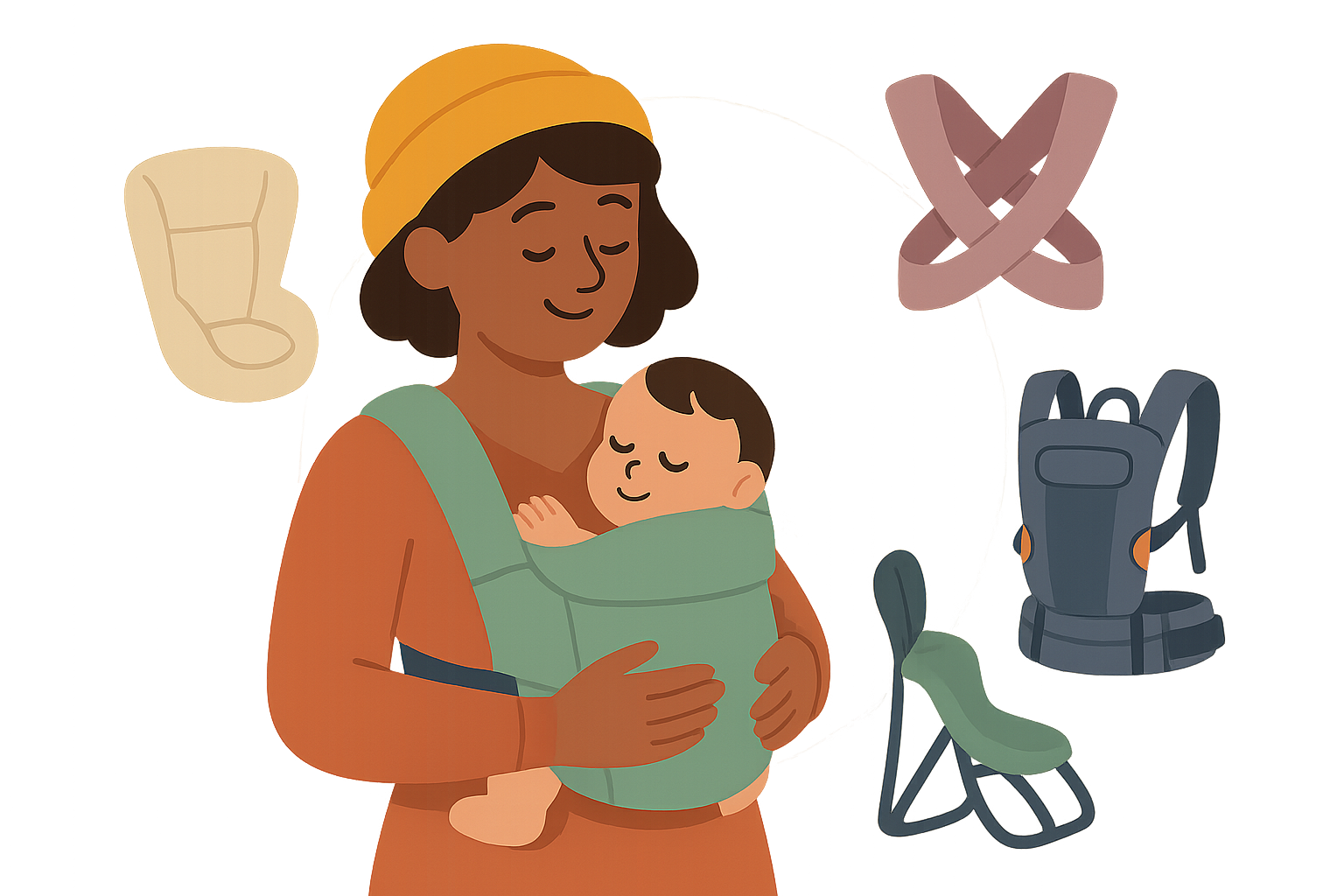

Leaving the house with a tiny human can feel like packing for a moon landing. Diapers. Wipes. Snacks for you. And two free hands would be nice. That’s where a baby carrier earns its spot. It keeps your baby close and calm while you move, nurse, and climb stairs without juggling a stroller.
If you’re also thinking about what touches your baby’s skin, you’re not alone. Many carriers use synthetic blends, foam, and dyes. Some are great. Some run hot. A few use finishes we’d rather skip. Our goal is to help you find a safe, ergonomic baby carrier that fits your body, works for your climate, and avoids unnecessary chemicals.
Quick Comparison


We’ll walk through what matters, what doesn’t, and how to pick a style that matches your life. No gatekeeping. No “you must babywear 8 hours a day” energy. Just practical guidance for newborn snuggles, contact naps, nursing on the go, grocery runs, airport days, and hikes.
Quick first step: grab a soft tape and measure your waist and torso length. Knowing your size range makes fit and comfort much easier. Then learn the T.I.C.K.S. safety checks for airway and positioning. It takes two minutes and pays off every time you put the carrier on.
A few heads-ups. If your baby was premature or has breathing or hip concerns, check with your pediatrician before babywearing. If you’re in early C‑section recovery, choose a setup that avoids pressure on your incision. And in hot climates, breathable fabrics and lighter layers matter more than any fancy feature.
Who this guide is for and what we prioritized
Newborn snuggles, toddler wriggles, and everything between
- You want a baby carrier for a newborn that supports a tucked, ergonomic position without a fussy insert.
- You plan to nurse or bottle‑feed in the carrier and need easy adjustments and good head support.
- You’re chasing a toddler at the playground and need quick buckles, not a 12‑step wrap every time.
- You hike or travel and want real support for your back and hips, plus storage that isn’t a joke.
What we looked for
- Safety and ergonomics: clear airway, high-and-tight fit, M‑position for hips, and head support that doesn’t slouch. We align with T.I.C.K.S., AAP guidance, and Hip Dysplasia Institute principles.
- Fit and adjustability: wide range for petite and plus sizes, easy strap routing, and a waistband that sits where you need it.
- Materials and finishes: breathable fabrics, options like organic cotton or linen, and carriers that avoid added flame retardants and tricky waterproofing finishes. OEKO‑TEX or similar standards are a plus.
- Ease of use: low learning curve, quick on-off with a sleepy baby, and simple nursing adjustments you can tighten again one‑handed.
- Climate and washability: cooler weaves for heat, cozy options for cold, and machine‑wash care without drama.
- Durability and support: structured waist and shoulder padding that spreads weight, not just pretty fabric.
When a carrier might not be the move today
- Your baby’s medical team advised limiting upright time or specific hip positioning. Follow their plan first.
- You’re in acute recovery from surgery or shoulder/back pain. Prioritize healing, then test carriers with proper support.
- Twins or close‑in‑age kids can be worn, but it’s a specialized setup. Consider a consult with a babywearing educator or local lending library to try configurations safely.
Quick comparison: how to choose your lane
Everyday soft structured carrier
Best for most families past the early weeks. Buckles on, adjusts fast, shares easily between caregivers. Good lumbar and hip support with proper tightening. Works at home and out in the world. If you want an ergonomic baby carrier that just works, start here. Watch for panel height, seat width, and whether it offers inward only or both inward and outward facing.
Stretchy wrap and ring sling
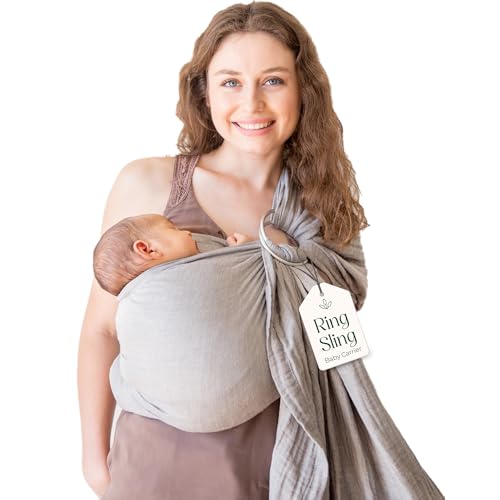
Ideal for the fourth trimester. Stretchy wraps are cozy and forgiving for tiny babies, great for contact naps. Ring slings are quicker, fantastic for nursing and hip carries, and pack small. Both have learning curves. They shine indoors and for short trips. If you run hot, look for lighter knits or linen weaves.
Hybrid or half‑buckle carriers
A sweet spot for parents who like the snuggle of a wrap with the support of a waistband. Tie-on shoulder straps allow a custom fit without long wrap tails. Great for newborns through the first year and for nursing adjustments. Less fiddly than a full wrap, more cuddle than a full buckle.
Hiking frame carrier
For longer walks and real trails. Think backpacking pack with a kid seat. Load lifters, a true hip belt, sunshade options, and storage. Not for newborns. Shines once your child has strong head and trunk control. Test torso length and strap comfort before committing.
When to skip outward‑facing
Outward‑facing can be fun in small doses, but it shifts weight forward and can tire your back. If your baby gets overstimulated, turn inward or try a hip carry. You’re still giving them a great view, and you’ll both last longer.
Tools that make babywearing easier
Best Overall Ergonomic
Snuggly, hip-healthy carrier for newborns up to 24 lbs. Soft jersey/mesh options and an easy-on fit keep baby close; front carry facing in or out. Compare fabrics.
Price and availability are accurate as of 04/25/2026 12:54 pm GMT and are subject to change.
Removable strap protectors (often called suck pads) are a sanity saver if your baby loves to chew the shoulder straps. They keep the carrier cleaner, are quick to swap and wash, and add a soft layer where baby’s face rests. If that’s you, BabyBjörn Baby Carrier Mini 3D Jersey – Soft, easy for newborns (Light Beige) is a simple upgrade that reduces full‑carrier laundry.
Best for Newborns (No-Insert)
Snug, hands-free snuggles from newborn to toddler (8-35 lb). Comfy, ring-adjustable fit XXS-XXL, hip-healthy support, and easy, T-shirt-style wear nursing-friendly too. Ready?
$36.99 on Amazon
Price and availability are accurate as of 04/24/2026 09:53 pm GMT and are subject to change.
A universal weather cover helps for drizzly walks or breezy playground trips, so you can dress baby in normal layers and clip one cover over the carrier. It’s faster than juggling blankets and won’t mess with your carrier’s fit. Just keep baby’s face fully visible and uncovered at all times. If you’re out in mixed weather a lot, Momcozy Baby Wrap Carrier – Lightweight, hands-free support from newborn to toddler (8–35 lb) is worth having by the door.
Best Sling for Nursing
Breathable cotton muslin ring sling: newborn-ready support, quick adjust for most bodies, and comfy up to toddler years. Lab-tested, nursing-friendly—worth a look.
$39.95 on Amazon
Price and availability are accurate as of 04/25/2026 03:55 am GMT and are subject to change.
A small waist pouch that attaches to your carrier’s waistband holds the real‑life stuff: phone, wipes, a snack bar, house key. It keeps weight off your shoulders and skips the diaper‑bag shuffle for short errands or hikes. If you like going hands‑free, Breathable Cotton Muslin Ring Sling Baby Carrier – Grey makes everyday babywearing less fiddly.
FAQ
Setup and fit
Q: How do I know the carrier is fitted safely?
A: Use T.I.C.K.S.: Tight, In view at all times, Close enough to kiss, Keep chin off chest (two‑finger space), Supported back. Aim for an ergonomic “M” seat with knees higher than bum. Newborn panel should reach the nape to ear level. Start by tightening the waistband, then micro‑adjust shoulder straps.
Q: When can my baby face outward?
A: Wait for strong head and neck control, usually around 5–6 months, and when baby’s face clears the panel while seated. Keep outward rides short (about 15–20 minutes), watch for fussing or zoning out, and switch back inward for naps. Never outward‑face a newborn.
Nursing and comfort
Q: Can I breastfeed in a carrier?
A: Yes with most wraps, slings, and many buckle carriers. Loosen slightly to bring baby to breast height, keep baby upright or side‑lying in a sling with nose and mouth visible, support the neck (not the back of the head), re‑tighten for hands‑free once latched, and return to high, snug positioning after.
Care and buying decisions
Q: Do I need a newborn insert?
A: It depends. Many newer buckle carriers have adjustable panels for newborns; some older models need a separate insert. Wraps and ring slings naturally fit tiny babies when tightened well. Always check the manual’s minimum weight and set‑up. If baby is preterm or under 7 lb, ask your pediatrician and practice with a spotter.
If you remember one thing, make it this: the best baby carrier is the one you can put on correctly every time. Fit and safety beat features. A comfortable, ergonomic baby carrier that keeps baby’s airway clear will always be the right choice.
Materials matter, but they are not a reason to panic. Choose breathable natural fibers when you can. Skip heavy chemical finishes. Wash before first wear. Then focus on the position checks you’ll do every time you buckle up.
Your stage will change what works. Newborn snuggles often do best in a soft, close wrap or a newborn‑friendly buckle carrier. As your baby gets heavier, lumbar support and quick adjusters help. If you nurse, choose something you can loosen an inch or two, feed, then re‑tighten in seconds. Hikers, wait until baby can sit well on their own for framed packs.
You do not need a closet full of carriers. One everyday carrier for hands‑free living, plus a backup for hot weather or the car, is plenty for most families.
Still deciding? Match the carrier style to your day
Wraps
- Best for the fourth trimester and contact naps. A stretchy wrap is forgiving and cozy for a baby carrier for newborn days.
- Great if you want zero hardware against a C‑section incision. Pressure spreads across your torso.
- Trade‑offs: learning curve, warmer in summer, and most stretchy wraps top out as baby gets heavier.
- Pick it if you love a secure cuddle and do not mind a few practice ties.
Soft structured carriers
- Your grab‑and‑go option. Buckles, padded straps, and a waistband make them supportive as baby grows.
- Good for multiple caregivers. Once dialed in, swaps are quick.
- Look for a wide, adjustable seat and a panel that supports the M‑position. That is your ergonomic baby carrier sweet spot.
- Trade‑offs: more hardware, can feel bulky on very petite frames.
- Pick it if you want fast on and off, outward‑facing options, and solid back support.
Ring slings
- Fast to pop baby in. Easy to nurse discreetly by lowering baby to latch, then re‑tightening.
- Compact and airy in heat. Great around the house and for short errands.
- Trade‑offs: all weight is on one shoulder. Not ideal for long walks with heavy toddlers.
- Pick it if you want a nursing‑friendly carrier that lives in your diaper bag.
Mei tai and half‑buckles
- Hybrid fit. A supportive waistband with wrap straps that mold to you and baby.
- Excellent for tricky fits or sensitive shoulders. Even weight spread without a ton of padding.
- Trade‑offs: more tying than a standard buckle carrier. Slight learning curve.
- Pick it if you like the feel of a wrap but want faster, repeatable tightness.
Framed hiking carriers
- Built for trail miles once baby can sit unassisted and has good head control.
- Storage, sunshades, and load lifters keep the ride comfortable.
- Trade‑offs: heavier and not for newborns. Save for 6 to 9 months and up, per your model’s guidance.
- Pick it if weekend hikes are your happy place and you want structure plus airflow.
Next steps, try‑ons, and our promise
Quick action plan
- Measure your torso and waist. If you are between sizes or plus size, confirm the carrier’s strap and waistband lengths.
- Decide your primary use. Newborn cuddles, nursing support, city walks, or hiking. Let that lead the choice.
- Check safety basics every wear. T.I.C.K.S. fit checks, clear airway, knees above bum, chin off chest.
- Choose breathable materials. Organic cotton or linen for everyday. Mesh for heat. Wash before first wear.
- Do a living‑room test. Wear baby for 30 minutes. Practice adjusting one‑handed and re‑tightening after nursing.
- Plan for growth. If you want one carrier from newborn to toddler, pick an adjustable panel with infant support.
- Register your gear and check for recalls. A quick manufacturer page check is worth it.
Edge cases to keep in mind
- Preemies, low birth weight, reflux, or any airway concerns. Talk with your pediatrician or a babywearing educator before using any carrier. Consider extra visible‑and‑kissable positioning and more frequent checks.
- Hip dysplasia risk or bracing. Choose a hip‑healthy seat that supports the thighs knee to knee, and confirm compatibility with your clinician.
- Postpartum recovery. If you have a fresh C‑section or shoulder issues, start with wraps or slings that avoid direct pressure, or wear the waistband higher. Stop if anything hurts.
- Heat waves or winter layers. In hot weather, go mesh or linen and watch for overheating. In cold, dress baby in thin layers and cover over both of you rather than stuffing bulky snowsuits into the carrier.
For safety guidance you can trust, review the T.I.C.K.S. checklist from the Baby Sling Consortium, the AAP’s babywearing tips, and the International Hip Dysplasia Institute’s carrier advice.
Where to go from here
- If you want an everyday best baby carrier that handles naps, school runs, and weekend walks, choose an adjustable soft structured model that fits both caregivers.
- If you want the gentlest newborn hold and the most nursing‑friendly setup, add a ring sling or stretchy wrap for months 0 to 4, then switch to your buckle carrier as baby gets heavier.
- If hiking is on the calendar, keep your everyday carrier now and plan to add a framed pack once baby can sit and you are hitting longer trails.
We also wrote guides that pair well with carriers. See our feeding tips for on‑the‑go nursing and bottle logistics in the carrier at /feeding. For nap routines and safe transfers, try /sleep. If materials and finishes are your jam, our low‑tox starter list is at /non-toxic-living.
A quick note on how we keep this site free. Some links on this page are affiliate links. If you buy through them, we may earn a small commission at no extra cost to you. We only recommend gear we would use with our own kids.
You are doing great. Choose one carrier that fits your body, learn the safety checks, and practice for a week. That is the real unlock. Fewer tabs. More snuggles. More hands free for coffee.


Leave a Comment